
Blog
Fresh Pasta vs. Dried Pasta: What’s the Difference?

Fresh Pasta vs. Dried Pasta: What’s the Difference?
Pasta is one of the most loved staples of Italian cuisine, with countless shapes, textures and flavours. Silky ribbons of fettuccine, firm penne that holds on to its sauce: every variety brings something different to the plate. But have you ever wondered what really separates fresh pasta from dried pasta?
Both are essential to Italian cooking, but fresh and dried pasta differ in their ingredients, texture, preparation, cooking time and ideal sauce pairings. Knowing the difference helps you choose the right pasta for your next meal.
If you enjoy Italian cuisine, here’s everything you need to know about fresh pasta versus dried pasta, how each one is made and which dishes suit them best.
What Is Fresh Pasta?
Fresh pasta is made from dough that is prepared, shaped and cooked without the long drying process used for dried pasta. It’s usually made with flour and eggs, although some traditional Italian recipes use only flour and water.
Fresh pasta has a soft, tender texture and cooks quickly. Depending on the recipe and thickness, it can be ready in just a few minutes.
Popular fresh pasta varieties include:
- Tagliatelle: Long ribbons that go well with rich meat sauces.
- Fettuccine: Flat strands often served with creamy or buttery sauces.
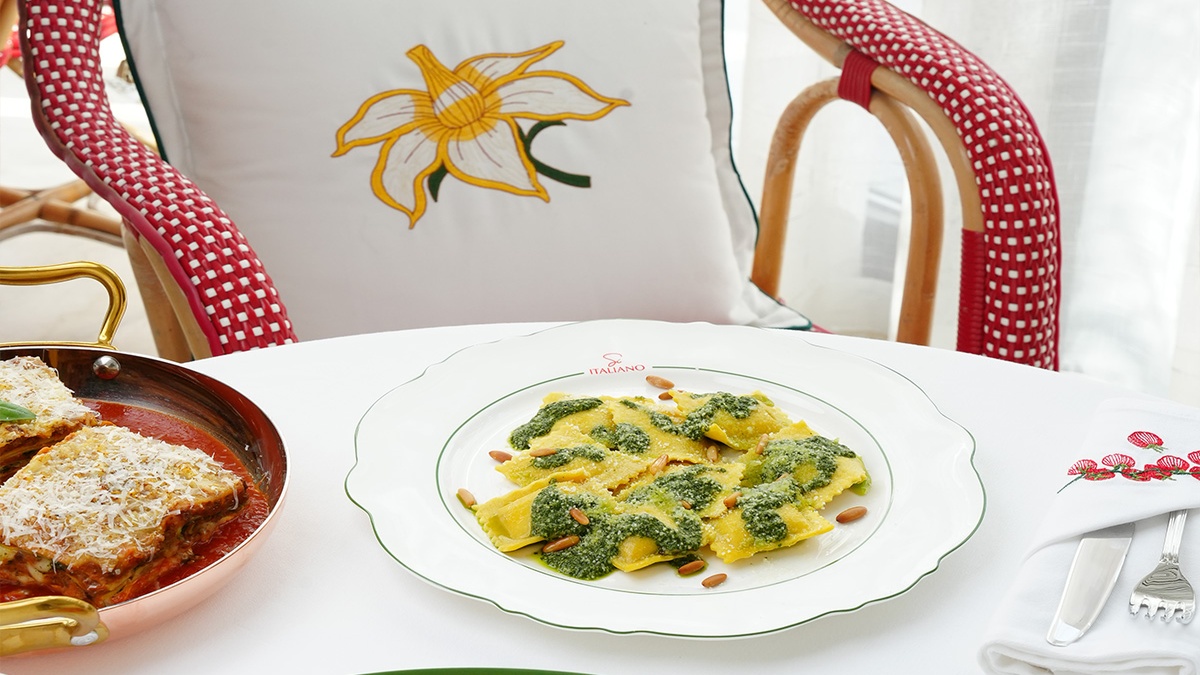
- Ravioli: Filled pasta, with fillings like cheese, vegetables or meat.
- Pappardelle: Wide ribbons made for hearty, slow-cooked sauces.
Fresh pasta is at its best in dishes that let its delicate texture and flavour come through.
What Is Dried Pasta?
Dried pasta is usually made from durum wheat semolina and water. Once the dough is shaped, it is dried to remove the moisture, which gives the pasta a long shelf life and a firm structure.
Dried pasta is a staple in Italian kitchens because it’s convenient, versatile and comes in countless shapes and sizes. It takes longer to cook than fresh pasta, depending on the shape and thickness.
Popular dried pasta varieties include:
- Penne: Short tubes that work well with tomato, pesto and creamy sauces.
- Spaghetti: Long, thin strands, often served with tomato, seafood or olive oil sauces.
- Fusilli: Twisted pasta that holds sauces in its grooves.
- Rigatoni: Large ridged tubes that go well with hearty sauces.
Dried pasta is the go-to for everyday meals and many classic Italian dishes.
Fresh Pasta vs. Dried Pasta: Key Differences
- Ingredients
Fresh pasta is often made with flour and eggs, although egg-free versions are traditional in some regions of Italy. Dried pasta is usually made from durum wheat semolina and water.
These ingredients shape the pasta’s texture and flavour, and the recipes it works best in.
- Texture and Taste
Fresh pasta is softer and more tender, sometimes with a delicate, silky texture. Egg-based fresh pasta also has a richer flavour.
Dried pasta has a firmer bite when it’s cooked properly, which makes it a good match for a wide range of sauces and hearty dishes.
Neither one is better. It depends on the dish and the texture you enjoy.
- Cooking Time
Fresh pasta cooks quickly because it already contains more moisture. Dried pasta needs more time to absorb water and soften.
Cooking times depend on the shape, thickness and recipe, so follow the package instructions or the chef’s advice.
In Italian cooking, dried pasta is usually cooked al dente: tender, but still slightly firm to the bite.
- Shelf Life and Storage
Fresh pasta doesn’t keep for long and usually needs to be refrigerated, depending on how it’s made and packaged. Some types can also be frozen.
Dried pasta keeps for much longer when stored in a cool, dry place in a sealed package.
That makes dried pasta handy for home kitchens, while fresh pasta is chosen for its special texture and the way it’s made.
- Best Sauce Pairings
Both can be paired with many different sauces, but some combinations are especially popular.
Fresh pasta works beautifully with delicate butter sauces, creamy sauces and rich ragù. Filled pasta pairs well with simple sauces that keep the focus on the filling.
Dried pasta is excellent with tomato sauces, seafood, pesto and olive oil sauces. Shapes with ridges, curves or hollow centres hold thicker sauces particularly well.
These are suggestions, not strict rules. Italian cooking changes with the region, the recipe and personal taste.
Which Is Better: Fresh Pasta or Dried Pasta?
There’s no single winner in the fresh pasta versus dried pasta debate. Both have an important place in Italian cuisine.
Go for fresh pasta if you want a tender texture, love egg-based pasta or are making a dish with delicate strands or filled shapes.
Go for dried pasta if you prefer a firmer bite, want a handy pantry staple or are cooking with shapes like spaghetti, penne or rigatoni.
In the end, what matters most is the recipe, the quality of the ingredients, the cooking and the sauce.
How to Choose the Right Pasta for Your Dish
Not sure which pasta to choose? These simple tips can help:
- For creamy sauces: Flat shapes like fettuccine are a popular choice.
- For pesto: Penne and other shapes with grooves or curves spread the sauce evenly.
- For seafood: Spaghetti and other long shapes are a classic match.
- For hearty sauces: Wide ribbons or large tubes stand up well to rich sauces.
- For filled pasta: Pick a sauce that complements the filling rather than covering it up.
These are guidelines, not fixed rules. Trying different shapes and sauces is half the fun of Italian food.
Explore Italian Pasta at Si Italiano, Sharjah
Italian dining is about more than choosing between fresh and dried pasta. The ingredients, the preparation, the sauce and the overall dining experience all go into a great meal.
At Si Italiano, at Al Heera Beach in Sharjah, we serve Italian-inspired dishes in a relaxed coastal dining atmosphere. If you love seafood flavours, creamy pasta or a hearty baked dish, you’ll find something you like on our menu.
Take a look at the Si Italiano menu to see our current selection, or get to know us better on our About Us page.
If you’re searching for an Italian restaurant in Sharjah, we’d love to welcome you for Italian-inspired dining at Al Heera Beach.
Frequently Asked Questions
Is fresh pasta better than dried pasta?
Neither is universally better. Fresh pasta is often softer and more tender, while dried pasta offers a firmer texture and longer shelf life. The best choice depends on the recipe and your personal preference.
Does fresh pasta cook faster than dried pasta?
Generally, yes. Fresh pasta usually takes only a few minutes to cook, while dried pasta typically needs longer. Cooking times depend on the shape, thickness and preparation.
Which pasta is best for creamy sauces?
Fettuccine and other broad pasta shapes are popular with creamy sauces because their surfaces and width work well with rich preparations. However, several pasta shapes can work depending on the recipe.
Is dried pasta authentic Italian pasta?
Yes. Dried pasta is an important part of Italian culinary traditions and is used in many classic Italian dishes. Fresh and dried pasta both have long-standing roles in Italian cooking.
Where can I enjoy Italian pasta in Sharjah?
Come and visit us at Si Italiano, located at Al Heera Beach, Sharjah, and check the current menu to see which pasta dishes are available.
Discover Your Next Italian Favourite
Fresh or dried, every type of pasta has its own character. Tender ribbons with rich sauces, firm shapes with pesto, tomato or seafood: that variety is a big part of what makes Italian cuisine so enjoyable.
Next time you’re out for Italian food in Sharjah, take a closer look at the pasta shape, the sauce and how your dish is prepared.
Explore the menu at Si Italiano and plan your next Italian dining experience at Al Heera Beach, Sharjah.
Explore Our Menu | Learn More About Si Italiano | Contact Us